
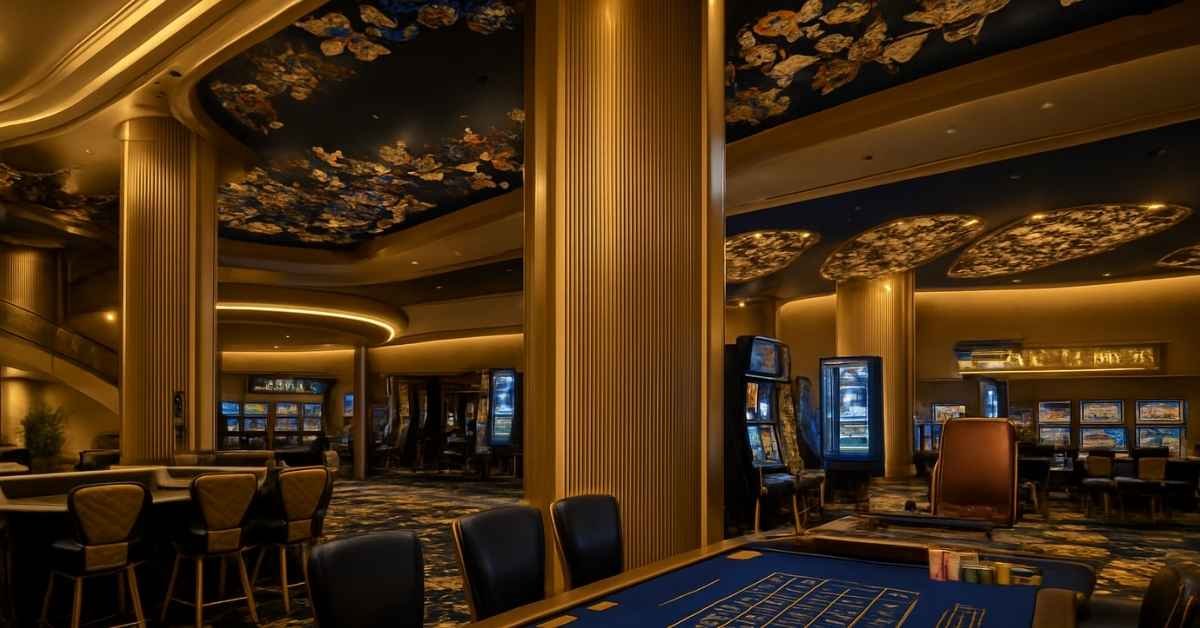
On a mixed casino floor, a table player sitting at a slot machine can mean several different things. The player may be replacing table play, extending the visit, waiting for a preferred seat, taking a break after a volatile roulette session, or simply responding to a lower-friction product.
Those behaviours may look identical in a daily revenue report, but they have very different implications for casino floor efficiency. An operator who labels every switch as “migration” risks changing the wrong product, removing useful capacity or misdirecting reinvestment.
The better approach is to measure how players move between products, what happens to total visit value and whether the movement strengthens or weakens the floor as a whole. That requires player-level analysis, not a simple comparison of table win and slot win. A structured slot analytics and floor optimization process provides the machine-side evidence, while pit ratings and visit sequencing complete the picture.
Operational principle: The objective is not to protect one department from another. It is to increase the value, duration and stability of the complete customer visit.
Table-to-Slot Movement Is Not Always Migration
In Georgia and Northern Cyprus, the relevant table mix often centres on single-zero roulette and poker derivatives such as Russian Poker, Novo or Nova variants, and Ultimate Texas Hold’em. Players moving from these games to slots should be classified by behaviour before management draws a conclusion.
| Player Behaviour | What It Usually Means | Management Risk |
|---|---|---|
| Substitution | Slot time and value rise while table time and value decline across several visits. | Table friction, minimums or service may be pushing the player away. |
| Visit extension | The player adds slot play without materially reducing table play. | Removing nearby slots may shorten the visit and reduce total value. |
| Recovery or cool-down | The player moves from tables to slots and later returns to the pit during the same visit. | Aggregate data may incorrectly classify useful cross-play as table decline. |
| Convenience play | The player uses slots while waiting for a seat, companion, service or preferred minimum. | An availability or service problem may be mistaken for product preference. |
A roulette–slot–roulette sequence is a good example. The machine may function as a private, low-friction pause between two higher-intensity table sessions. If the player remains on property and returns to roulette, the slot has supported the table visit rather than cannibalized it.
Why Players Move Between Tables and Slots
Speed and Reduced Friction
Live games depend on dealer pace, chip handling, payouts, seat availability and the actions of other players. At peak times, disputes, fills and service interruptions can add further delay. Slots allow the player to begin immediately and control the pace without waiting for a complete table cycle.
This does not prove that the player prefers slots. It may only show that the machine currently offers an easier way to continue gambling.
Privacy and Personal Control
Table play is visible and social. A player’s stake, decisions, wins and losses can be observed by dealers, supervisors and other customers. Slot play is more private: the customer can choose a denomination, adjust the wager and end the session without a public buy-in or cash-out.
That distinction can matter in compact regional markets where customers may value discretion. Operators should treat privacy as a possible behavioural factor, but confirm it through observed play patterns and customer conversations rather than assumption.
Minimums and Bankroll Perception
A table minimum creates a visible commitment on every decision. A slot machine offers a wider perceived range of exposure through denomination and bet selection. The mathematical cost is not necessarily lower, but the customer may feel more control over session length and wager size.
If slot participation rises whenever table minimums increase, management should test whether the minimum is improving yield or simply displacing profitable customers.
More Events per Minute
Modern slot products compress more resolved outcomes, bonus events and jackpot cues into a short period. For a player who enjoys the anticipation of roulette or the feature moment in a poker derivative, that event density can be attractive—especially during a short break from the pit.
Trust and Service Failures
Late-bet disputes, inconsistent explanations, hand-evaluation disagreements, slow payouts and poor peak-hour service can damage confidence. Most players will not formally complain. They may reduce table time, move to a machine or leave.
Before interpreting movement as a product preference, review the table experience. Improving procedures and dealer communication may recover more value than changing the floor mix.
Measure the Whole Visit, Not Department Totals
Department-level reports can show that slot revenue increased while table revenue declined. They cannot establish whether the same players moved, whether visits became longer or whether total theoretical value improved. The analysis must connect activity at the player and visit level.
Slot share of theoretical win = Slot theoretical win ÷ Total gaming theoretical win × 100
Track this ratio for historically table-dominant players over rolling periods. A single visit is too noisy. A consistent shift across several comparable visits is more meaningful.
Cross-play rate = Players active on both tables and slots ÷ Rated active players × 100
The ratio is only useful when supported by sequence and value data. A higher cross-play rate can be positive if total visit value, trip frequency or retention improves. It can be negative if valuable table sessions are being replaced by shorter, lower-value machine sessions.
A practical 90-day cohort review should include:
- table theoretical win, slot theoretical win and total theoretical win;
- rated minutes in the pit and time on device;
- trip frequency and average total visit value;
- same-visit sequences such as table–slot–table;
- table occupancy and slot occupancy during the player’s visit;
- minimums, seat availability and service delays at the time of movement;
- retention and reinvestment before and after the behavioural change.
Identity quality matters. Unrated table play, shared cards and incomplete pit ratings can create a false picture. The limits of the data should be documented before management changes capacity or marketing treatment. A broader player-tracking data analysis framework helps connect cross-play behaviour to segmentation and reinvestment decisions.
How Movement Affects Casino Floor Efficiency
Slots generally require less direct labour per active position and can deliver more stable short-term revenue across a large installed base. Tables can carry higher labour costs and greater volatility, but they also serve as identity products, social anchors and important components of VIP relationships.
For that reason, casino floor efficiency should not be reduced to win per square metre. A useful evaluation combines financial output, labour, capacity, customer value and the role each product plays in the visit.
| Metric | What to Compare | Decision Signal |
|---|---|---|
| Win per occupied hour | Actual occupied time, not only scheduled hours. | Shows productivity when the product is in use. |
| Net contribution | Gaming win less direct labour, participation, jackpot and operating costs. | Prevents gross win from overstating efficiency. |
| Capacity utilization | Occupied table positions or active machines against available capacity. | Identifies excess capacity and peak-time constraints. |
| Total visit value | Combined table and slot theoretical win by visit. | Distinguishes cannibalization from visit extension. |
| Return rate | Comparable cohorts before and after the movement. | Tests whether cross-play supports retention. |
Do not celebrate slot growth automatically. If it accompanies a larger decline in total visit value, reduced trip frequency or loss of premium table customers, the floor has not become more efficient.
Design Bridge Zones Around Real Behaviour
If data shows repeated table–slot–table movement, a bridge zone near the pit can support the full visit. The purpose is not to push table customers permanently toward machines. It is to give them a convenient alternative while preserving a clear route back to the table product.
A useful bridge zone may include:
- a denomination range appropriate to the adjacent table segment;
- medium-volatility products with a visible but not exhausting event cadence;
- comfortable seating and reliable beverage service;
- good sightlines between the machine bank and the relevant table area;
- enough capacity to absorb breaks without creating a congested pit entrance.
Product selection should follow measured player behaviour. A disciplined slot operations management process can test game mix, location and performance against comparable zones rather than relying on supplier visibility or personal preference.
Reduce Table Friction Before Removing Tables
When table-to-slot substitution appears genuine, management should first examine whether the pit is creating avoidable friction. Test operational changes before making a permanent capacity decision:
- Review minimums by demand period. Compare theoretical win, occupied positions and rejected demand—not only average wager.
- Measure game pace. Separate unavoidable game procedures from delays caused by staffing, fills, disputes or inconsistent execution.
- Standardize communication. Clear explanations and consistent rulings protect trust, particularly on poker derivatives.
- Protect peak service. Dealer coverage, supervision, cash handling and beverage loops should match the periods when movement is highest.
- Follow the customer across departments. Hosts and offers should recognize total value rather than treating pit and slot activity as unrelated accounts.
These changes fit a wider casino management approach in which floor design, staffing, controls and customer strategy are assessed as one operating system.
Use Clear Thresholds for Management Action
Operators should agree on thresholds before reviewing the results. Otherwise, normal volatility can turn every monthly report into a new floor strategy.
- Monitor: slot share rises, but total visit value and table value remain stable.
- Investigate: slot share rises while table time falls across several visits, with no improvement in total value.
- Intervene: the shift coincides with higher table minimums, slower service, disputes or unavailable seats.
- Reallocate carefully: sustained demand and net-contribution evidence show excess table capacity after operational causes have been addressed.
Any reallocation should begin as a controlled test. Change a defined zone or schedule, record the baseline, hold other factors as stable as possible and evaluate the effect on both departments. The correct result is not necessarily more slot win or more table win. It is stronger total contribution without damaging customer retention or the positioning of the property.
Conclusion: Optimize the Complete Customer Journey
Table-to-slot player movement is neither automatically good nor automatically bad. It may indicate substitution, convenience, recovery, visit extension or a service problem. The only reliable diagnosis comes from linking player activity, visit sequence, operating conditions and total value.
For casinos in Georgia and Northern Cyprus, the practical opportunity is to manage tables and slots as connected parts of the same floor. Measure how customers move, remove unnecessary table friction, place bridge products deliberately and reward the full relationship. That is how cross-play becomes a source of casino floor efficiency rather than an unexplained transfer between departmental reports.